

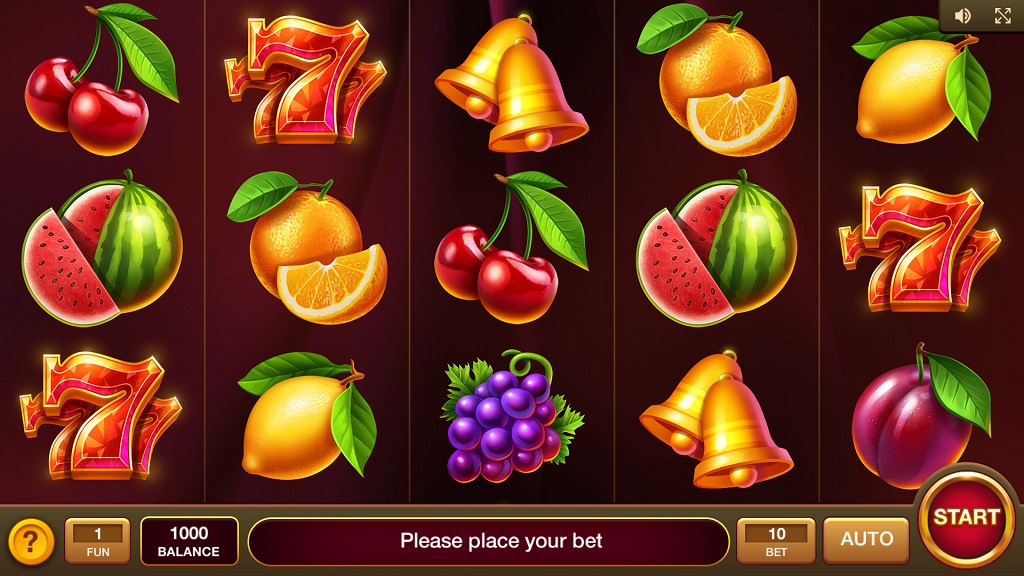
In the vast landscape of online gaming, user-friendliness and intuitive design are not simple luxuries; they are crucial to a game’s success and player retention. We believe that Lucky Crumbling shines precisely because it emphasizes a user-friendly experience from the ground up. This emphasis on flawless interaction and straightforward design principles goes beyond geographical boundaries, making it highly well-suited for different audiences. While the title references the UK, the game’s core design virtues—clarity, simplicity, and direct engagement—are universal. This analysis will delve into the exact design choices that make Lucky Crumbling not just another game, but a model of accessible digital entertainment that feels perfectly attuned to modern player demands, regardless of location.
Intuitive Interface and Immediate Accessibility
The moment a player starts Lucky Crumbling, the absence of a steep learning curve becomes its most notable asset. The interface is exceptionally clean, with a deliberate hierarchy that guides the eye to essential elements: the crumbling block structure, the control buttons, and the score display. There are no cluttered menus or confusing tutorials. Instead, the game employs a ‘learn by doing’ philosophy. The core mechanic of strategically removing blocks is shown through intuitive visual cues and responsive controls. This immediate accessibility is vital, as it honors the player’s time and intelligence, allowing for instant immersion. We observe that this design philosophy effectively removes barriers to entry, welcoming both casual gamers wanting a quick session and more dedicated players looking for a satisfying strategic challenge without upfront complexity.
Streamlined Performance Throughout Devices
A really user-friendly game has to perform flawlessly on the hardware players really use. Lucky Crumbling shines here with its streamlined yet refined build. The game loads quickly, also on modest mobile devices or older computers, ensuring that possible players are not driven away due to technical impatience. Its responsive design adjusts seamlessly to various screen sizes, spanning desktop monitors to smartphone screens, while maintaining the sharpness of the game elements or the precision of touch controls. This cross-device optimization is a foundation of modern game design, and Lucky Crumbling applies it superbly. We recognize that this technical reliability ensures the game’s experience is steady and reliable, a indispensable aspect for fostering trust and pleasure in a saturated market where performance hiccups can cause immediate abandonment.
Clear Visuals and Engaging Feedback Systems
The visual design in Lucky Crumbling is not merely aesthetic; it is fundamentally functional. The color palette is chosen for high contrast, making the distinct block types and the structural soundness of the tower easily discernible. Every move a player takes is met with clear, rewarding feedback. When a block is successfully removed, the motion and audio cue are crisp and rewarding. Conversely, the visual and auditory cues warning of a collapse are clear, giving the player key information to guide their next action. This builds a close, immersive feedback cycle where cause and effect are tightly tied. We view this clarity as crucial, as it converts the gameplay from a simple puzzle into a tactile, responsive experience where players feel closely linked to the game’s physics and effects.
Streamlined Progression and Incentive Systems
Player drive is carefully fostered in Lucky Crumbling through a progression system that feels both gratifying and forgiving. The game often employs a gradual difficulty curve, unveiling new block types or environmental challenges at a pace that permits mastery. Rewards, whether in the form of score multipliers, visual unlocks, or level advancements, are regular enough to maintain engagement but meaningful enough to feel earned. Crucially, the game prevents predatory mechanics or opaque systems. The rules of progression are clear, allowing players to set specific goals for themselves. We evaluate this approach as being key to long-term appeal; it encourages a sense of accomplishment without frustration, motivating players to return for “one more round” in pursuit of a personal best or the next milestone.
Key Design Features That Improve Usability
Multiple specific features coalesce to form Lucky Crumbling’s exceptional user experience. It is the thoughtful implementation of these details that separates a good game from a great one in terms of design. We can highlight a number of elements that work in concert to reduce friction and amplify enjoyment. These are not groundbreaking in isolation, but their combined execution is what makes the game so effortlessly playable and hard to put down.
- Streamlined HUD: The Heads-Up Display provides only vital information like score and level, maximizing screen real estate for gameplay and reducing visual noise.
- Customizable Controls: Options to adjust sensitivity or remap keys (where applicable) cater to personal preference, a mark of respect for the player.
- Save and Resume Flexibility: The game state can be saved and resumed instantly, accommodating the intermittent play patterns of modern life.
- Clear Failure States: When a tower collapses, the reason is usually visually apparent, offering a learning opportunity rather than a confusing setback.
- Atmospheric, Unobtrusive Audio: The sound design supports the gameplay without becoming distracting, and volume controls are easily accessible.
Ethnic Considerations in Widespread Design
While Luckycrumbling Crumbling’s design is global, its success in any certain region, including the UK, depends on its cultural impartiality and broad appeal. The game uses non-literal, universally familiar shapes and physics-based puzzles that require no specific cultural knowledge or language proficiency to appreciate. There are no generalizations or region-locked allusions that could alienate players. This intentional universality is, ironically, what makes it excellently suited for multifaceted audiences. For a market like the UK’s, which is itself multicultural and has a high saturation of casual and mid-core gamers, this method is perfect. We note that by focusing on fundamental human satisfactions—problem-solving, cause-and-effect, and incremental mastery—Lucky Crumbling bypasses cultural obstacles entirely, creating a globally accessible product that feels locally familiar.
The Influence of Design on Keeping Players and Community Building
The true measure of a game’s intuitive design is its capacity to hold onto players over time and foster a sense of community. Lucky Crumbling’s approachable base directly supports this. Because the core loop is easy to grasp but challenging to perfect, it creates a low floor and a high ceiling for engagement. Players are not discouraged by initial confusion, and skilled players continue to be tested. This universal appeal naturally leads to a larger, more reliable player base. Furthermore, the clearness of the game mechanics makes it simple for players to discuss strategies, share high scores, and make content around the game. We contend that this natural community expansion is a direct byproduct of careful design. A game that is irritating or unclear struggles to build this social aspect, whereas Lucky Crumbling’s intuitive nature invites mutual experiences and good-natured rivalry, cementing its place in players’ regular gaming sessions.